DMP Podcast, Episodes 9-15: Anonymous Grading as Inclusive Pedagogy

Episodes 9-15

In Spring of 2020, the Davidson Microaggressions Project published a guest blog co-written by two members of the Student Government Association’s Academics Committee, Julia Bauer and Wren Healy, on the topic of anonymous grading as one concrete strategy that professors can implement to combat bias and support disenfranchised students in their classes.

As Julia and Wren explain in their blog, “One often overlooked piece of this larger discussion around grades at Davidson is the process by which they are assigned. In Fall 2019, we, as members of the SGA Academics Committee, decided to take a closer look at grading practices as a whole, with a special focus on inclusivity and the reduction of bias in the classroom. We discovered several Davidson faculty members within the Biology, Political Science, and Religious Studies departments, among others, already working towards more inclusive pedagogy. Beyond Davidson, we’ve identified extensive research underscoring the importance of anonymous grading in those efforts.”

As an extension of the blog post, the DMP students collaborated with Julia and Wren to co-host of a series of podcast interviews with Davidson professors whose pedagogical practices include anonymous grading. We asked all of the 7 professors in this podcast series the following set of questions:

  1. Can you tell us about the content and structure (lecture style, discussion-based, etc.) of your classes? How do your classes relate to your research interests?
  2. When were you first introduced to anonymous grading?
  3. How have you implemented anonymous grading in your teaching? 
  4. Have you encountered any practical challenges with implementation? Please tell us about it.
  5. Have you noticed any benefits related to anonymous grading regarding the reduction of bias in the classroom? Have you encountered any drawbacks to anonymous grading? Please tell us about it.
  6. Have you had any experiences with students that have validated or caused you to reconsider your implementation of anonymous grading? Please tell us about it.
  7. How does anonymous grading, as one specific practice, relate to diversity, inclusion, and equity issues that are concerns at Davidson even more so in recent years?
  8. How have the conversations among faculty on campus evolved regarding the importance of inclusive teaching practices? 

Feel free to browse through each of the podcasts linked below to learn more about how and why anonymous grading is a practice these professors highly recommend!
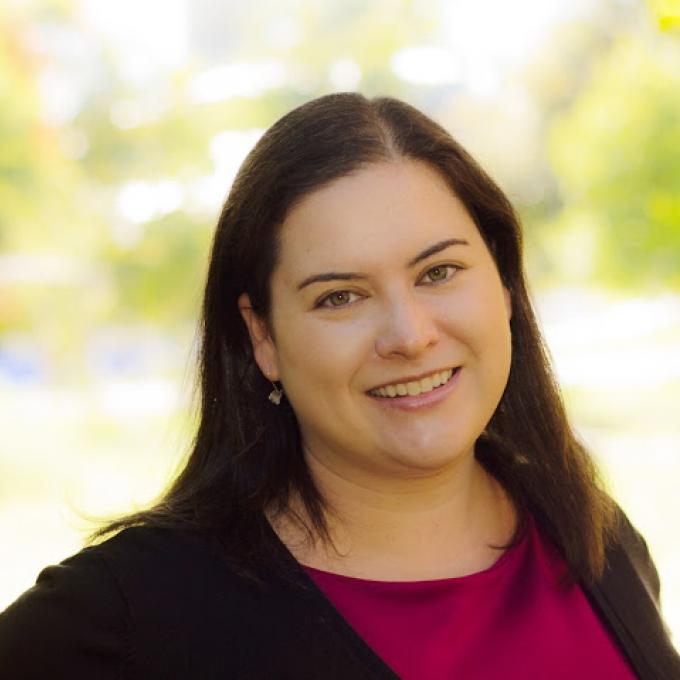
Dr. Laura Sockol, Assistant Professor of Psychology

I teach courses in abnormal psychology, research methods in clinical psychology, and a capstone seminar for senior psychology majors.

https://open.spotify.com/episode/6mCfgwju39jZgGd8YpJvtm?si=MUzIkPH4R3ySUgYu4Ytt1w

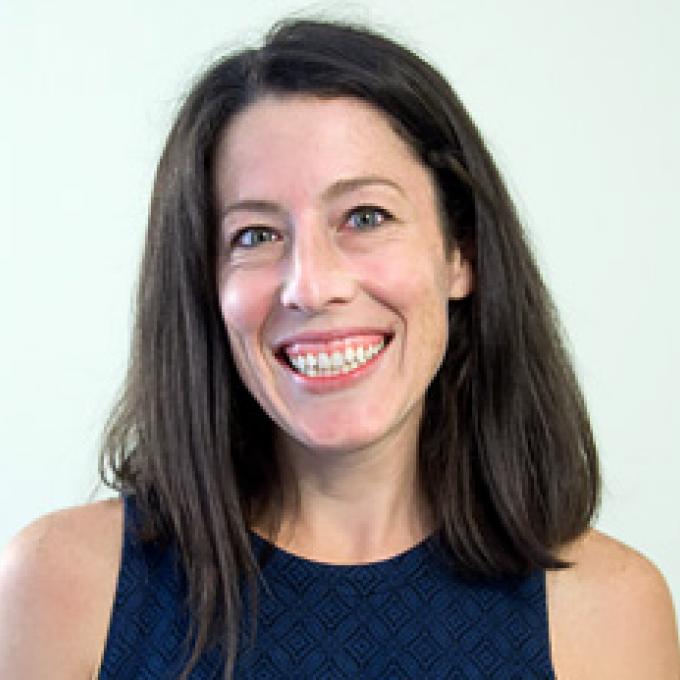
Dr. Kevin Smith, Associate Professor of Biology

My teaching at Davidson focuses on general biology, conservation biology, and data analysis.
https://open.spotify.com/episode/5Rck2L13hvt50kM0DKQsay?si=chWzVRC0SIKDISzFh-N1RQ

Dr. Michelle Kuchera, Assistant Professor of Physics

I am a computational physicist with interests in machine learning, nuclear physics, and algorithm development for data analysis.
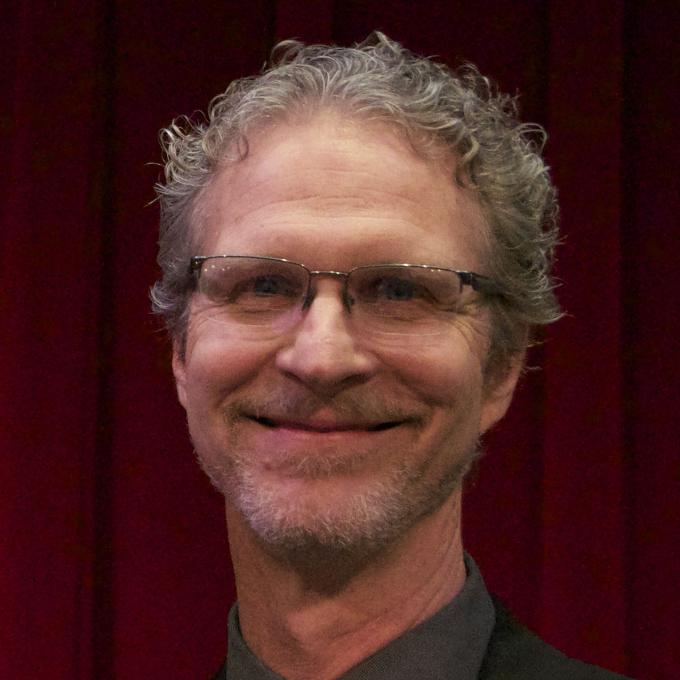
https://open.spotify.com/episode/5RUUJkf1SoHDaToUpwJ1Dd?si=Eb5PdUgnRmqIIzGLoDdlFQ

Dr. Trent Foley, Professor of Religious Studies

At Davidson for 30 years, I have taught courses in the history of Christian thought, with particular emphasis on Christianity in late antiquity and the early medieval period.
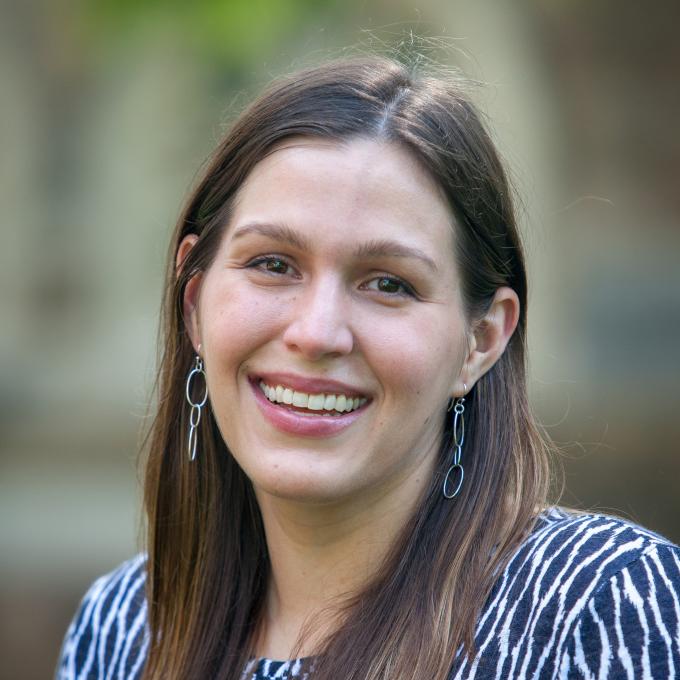
https://open.spotify.com/episode/5qJ97epbnKxtsp4XypA7hz?si=iDGSJB0xR4SHoEuOomVHnw

Dr. Melody Crowder-Meyer, Assistant Professor of Political Science

I teach courses on American political behavior and identity, including courses on public opinion, media, gender and race in American politics.
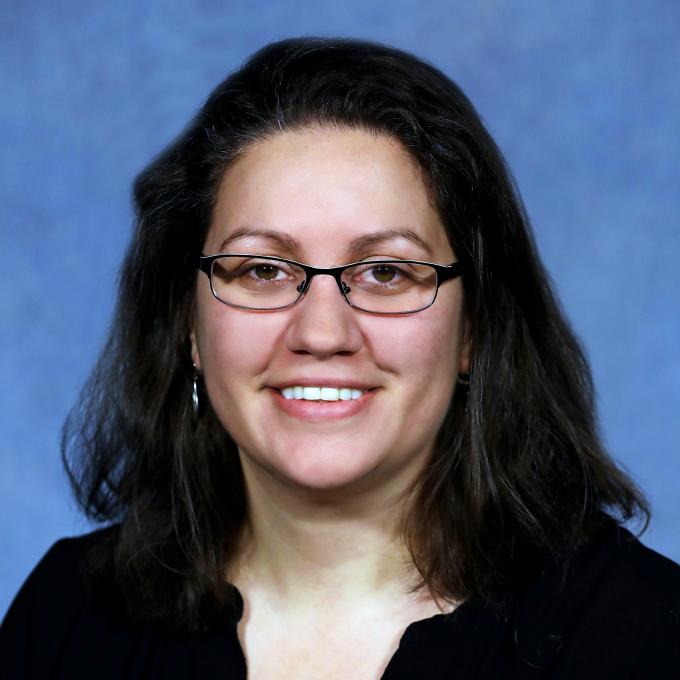
https://open.spotify.com/episode/2qSJ37khlsfAgZxMbkFm1a?si=HDjkfQZ2RP2nAalV7akhtw

Dr. Susana Wadgymar, Assistant Professor of Biology

I am an evolutionary ecologist who studies the processes that promote or constrain adaptive evolution in plant systems, often in the context of informing conservation management plans.
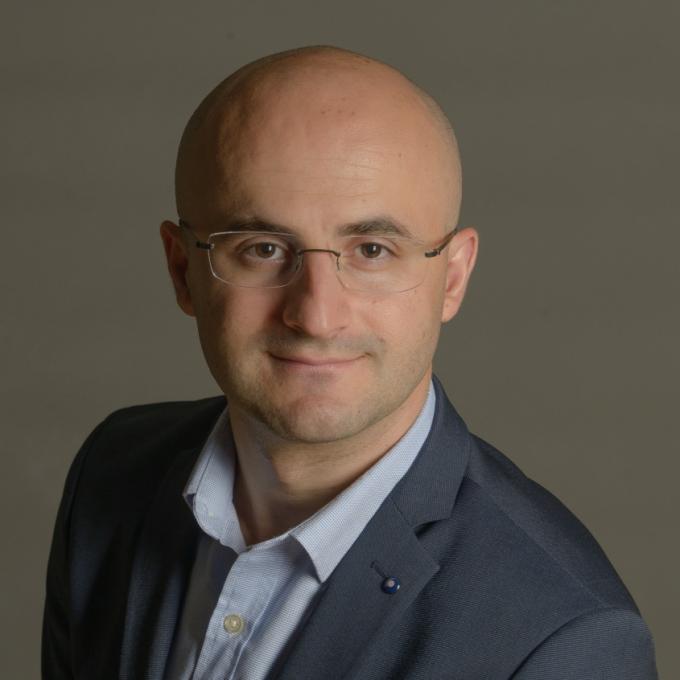
https://open.spotify.com/episode/7oWUHGRP76JmfPznlqNzdZ?si=J6PigfCrSLiTX048e5qIfg

Dr. Besir Ceka, Associate Professor of Political Science

I teach courses in international relations and comparative politics with a particular focus on European politics.
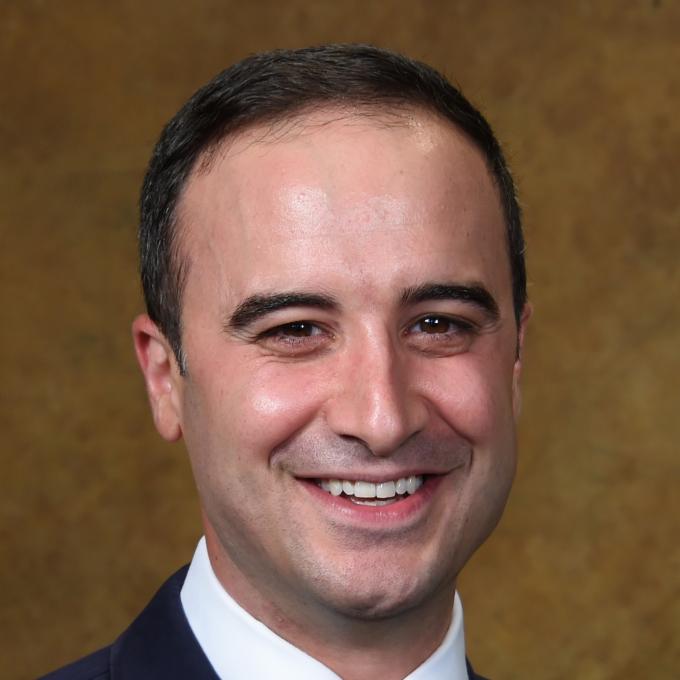
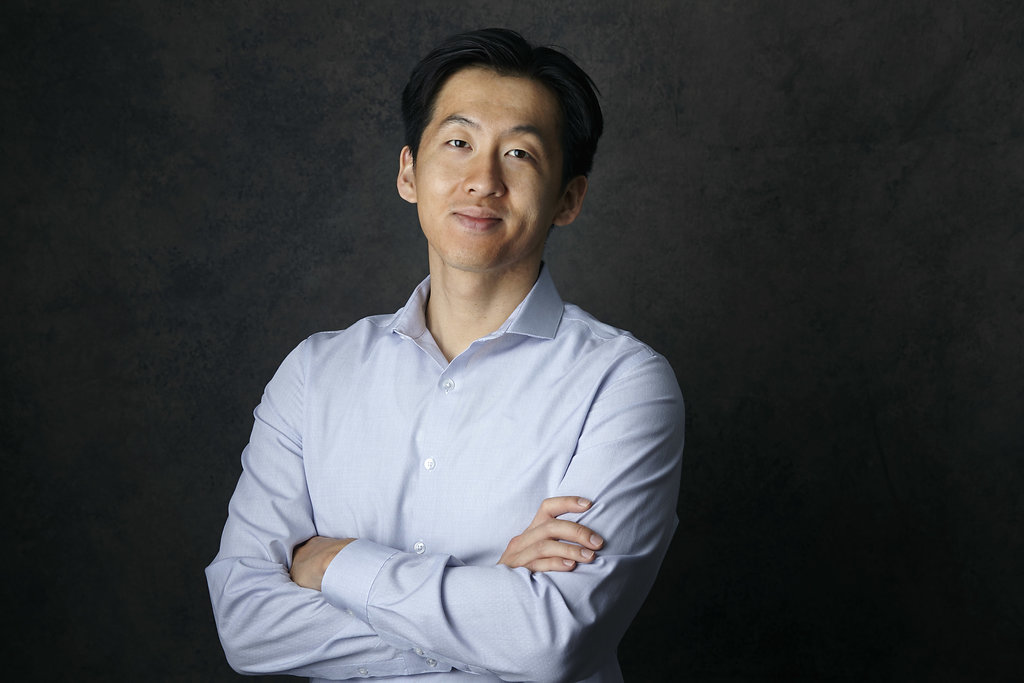
Dr. Andrew O’Geen, Associate Professor of Political Science

I teach courses in American politics including: Introduction to American Politics, Political Institutions, and The Presidency and courses on law and the American judiciary including: Constitutional Law, Civil Liberties, and a seminar entitled The Politics of the U.S. Supreme Court.
https://open.spotify.com/episode/7LVVH8ODneRDAqBEk2lSOY?si=srTyrgWbTDCz2Sgv8hK1kA

DMP Podcast, Episode 8: “Those Woke [Asian American] Kids,” Activism & Interracial Solidarity: A Conversation with Dr. K. James Cho

Episode 8

In this episode, Dr. Amanda R. Martinez and Ashley Ip, member of the Asian American Initiative, interview Dr. James Cho about his dissertation research featuring Asian American youth activism and hashtags over the last six years to track discourse and language for interracial solidarity with other communities of color. Cho interrogates how, why and who is empowered to do activism work among the vastly heterogeneous Asian American youth population. Their identities are often conflated by those who ascribe to simplistic attributes based on society’s racial order and consequently associate Asian Americans with otherness and civic ostracism. Intersectionality lends insight to interpreting such microaggressive experiences including class-based migration patterns and politicized identity intentionality amidst shifting identity labels in a charged socio-political time. He finds that the Asian Americans participating in on and offline activism help disrupt the model minority and perpetual foreigner stereotypes while disaggregating other monolithic categories rooted in white supremacy as a system and racial triangulation that functionally pits groups of color against one another. Dr. Cho urges us to take hashtag activism seriously as a means through which both online and in person community solidarity manifests and can be paired with existing movements, such as the #AsiansforBlackLives hashtag or the work that the Committee Against Asian American Violence in NYC does on the ground. Lastly, he discusses strategies to address microaggressions including when and whether to do so.

https://open.spotify.com/episode/1RYmSYz8JVGieYga0AuKgK?si=sR0vrRyJRW2KEoYeh15P9g

K. James Cho (Ph.D, Texas A&M University) (he/him) is an instructor in Communication Studies and Graphic Design at Blinn College in Bryan, Texas. His research interests focus on Asian Americans and media. His doctoral dissertation examined how Asian American participants in hashtag activism construct their identities in interracial solidarity discourse on Twitter. He has also produced and hosted a podcast on race in Bryan-College Station and co-produced, directed, and edited a feature length documentary film on the life of Randy Wilson, a local community theater legend and Broadway alum.

Dr. James Cho

Resource Recommendations from Dr. Cho:

  1. Chou, R. and Feagin, J. (2015). The Myth of the Model Minority: Asian Americans Facing Racism. London: Paradigm Publishers.
  2. Wu, F. H. (2002). Where are you really from? Asian Americans and the Perpetual Foreigner Syndrome. Civil Rights Journal, 6(1), 14-22.
  3. Asian Americans PBS series: https://www.pbs.org/show/asian-americans/
  4. The scholar mentioned toward the end of the podcast is Ruha Benjamin. She mentioned in her book, Race After Technology, the example of racial bias in the spirometer. She cited this medical article:

https://www.ncbi.nlm.nih.gov/pmc/articles/PMC4631137/

DMP Podcast, Episode 7: Indigenous People & Microaggressions of Erasure: A Conversation with Lumbee Tribe Member, Prof. Brittany Hunt

DMP Podcast: Episode 7

In this episode, DMP collaborator Basil Wiering interviews Professor  Brittany Hunt, a member of the Lumbee Tribe, and doctoral candidate at  UNCC. She highlights the erasure of Native Americans and how rampant  cultural appropriation is in the fabric of our society. Oftentimes,  indigenous people are not credited for their many cultural  contributions; one example is that they’re the original Southerners who  created regional food staples like grits and hushpuppies, and another is  the phenomenon of white people’s unsubstantiated claims to Native  lineage, such as thinking they have a Cherokee great-grandmother.  Stereotypes drive many interpersonal interactions and exude the core  myth that the indigenous are people “in the past” and they are  subsequently excluded from race conversations about systemic problems,  like police brutality and mass incarceration. Prof. Hunt further points  out how academically sanctioned racism functions to justify racist  attitudes and how many remain complicit. She offers listeners some  specific strategies she is always prepared with when faced with  microaggressions, such as exposing underlying absurdity and asking  questions to reveal intent, and she calls us all in to action so that we  can analyze how we contribute to the racial erasure of indigenous  people, be more critical and decolonize our language, and decolonize  curriculum for educators in decision-making positions, all good goals  whether or not there are indigenous people represented within institutions.

https://open.spotify.com/episode/0JmHfzIUGmQ4A3eVo15V3w?si=i08u7fQeRGypW9ZRDAiLwA

Prof. Brittany Hunt

Brittany Hunt is a member of the Lumbee Tribe and was born and raised in Lumberton, NC.  She is an Adjunct Lecturer in the School of Social Work and a Ph.D. candidate in Curriculum and Instruction at the University of North Carolina at Charlotte where she founded the American Indian Urban Education Division.  Brittany received her Bachelor of Arts from Duke University and a Master of Social Work from UNC-Chapel Hill. Her research interests include the experiences of American Indian students in education, but more specifically how the K-12 system disenfranchises Native history in the classroom and those effects on American consciousness and Native cultural identity.

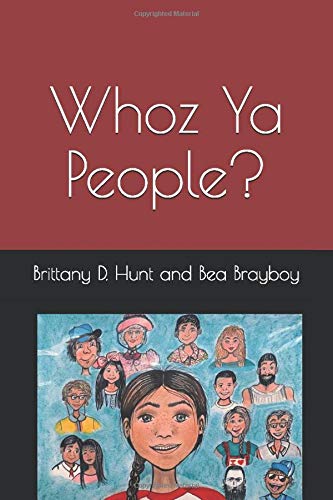
Professor Hunt published her first book, Whoz Ya People, in January 2020. The book is about the importance of family, community and land to the Lumbee people. The title phrase “Whoz Ya People” refers to a common greeting amongst Lumbee people; it is a way that Lumbee people connect with one another and it is how Henry connected with his people. Watch Professor Hunt talk about Henry and his new school here.


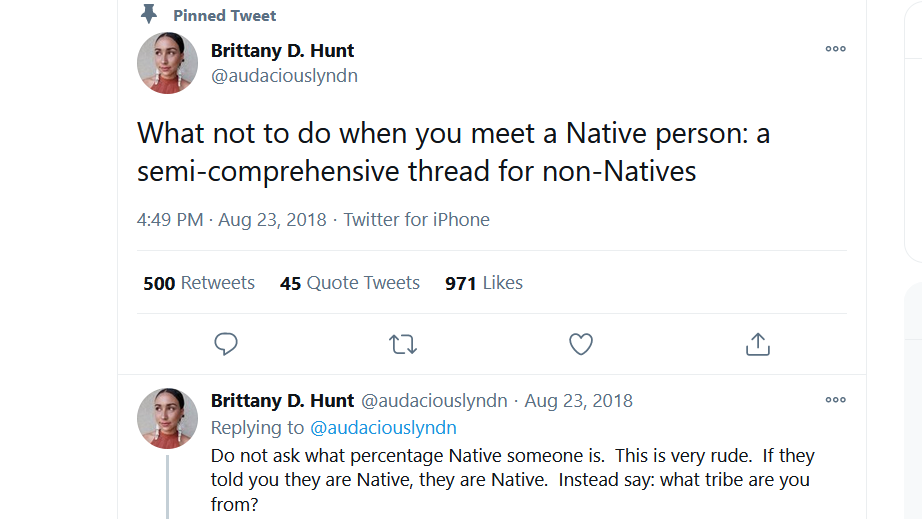
Follow Prof. Brittany Hunt on Twitter at @audaciouslyndn and check out her pinned tweet: “What not to do when you meet a Native person: a semi-comprehensive thread for not-Natives.”


To learn more about microaggressions and racism as they relate to American Indian people, Professor Hunt recommends the following resources:

Books:

  • Lumbee Indians: An American Struggle by Malinda Maynor Lowery
  • Red Pedagogy by Sandy Grande
  • An Indigenous People’s History of the United States by Roxanne Dunbar-Ortiz
  • Everything You Know About Indians is Wrong by Paul Chaat Smith

Podcasts:

  • Missing & Murdered: Finding Cleo
  • All My Relations

Documentaries:

  • Reel Injun
  • Warrior Women

DMP Podcast, Episode 6: Sister Outsiders Building Solidarity: A Conversation with Isabel Ballester & Morgan Spivey

DMP Podcast: Episode 6

In this episode, DMP collaborators Jaelyn Taylor and Juan Diaz Mercado interview Davidson alumnae Isabel Ballester and Morgan Spivey about building community, finding your people in white dominant (academic and other) spaces, and (re)discovering identity through immersive, newfound knowledge gained in both in/formal educational settings. They stress the importance of diversifying the faculty and supporting professors of color and interdisciplinary programs, as these are often key sources of support for students of color. Isabel and Morgan elaborate upon how they have continued to harness knowledge and empowerment through their positionalities as Black and Afro-Latina queer women beyond their undergraduate education. They talk about Black imagination, hope, happiness, freedom, affirmations, and starting where you are to make moves in the struggle, including why we should all move beyond passive not-racist pledges and be actively anti-racist. Isabel and Morgan describe microaggressions as a language of hate entrenched in systemic macro-issues. Tune in to hear this dynamic duo explain the ‘step up and step back’ method to deal with, confront, and overcome microaggressions.


Isabel Ballester

Isabel (ees-ahh-belle) Ballester is a Philadelphia-born, Afro-Latina queer with a special interest in civil rights and the law. She graduated from Davidson College in 2018 with a degree in Gender & Sexuality Studies. While at Davidson, Isabel spent her time in several student organizations including the Student Initiative for Academic Diversity (SIAD) and the Black Student Coalition. She joined the Sigma Psi chapter of Alpha Kappa Alpha Sorority, Inc as a junior in 2017. Isabel also served as a student representative on the President’s Diversity Advisory Committee and was a co-founder of the Davidson Microaggressions Project.

Currently, Isabel lives in Philadelphia and works for District Attorney, Larry Krasner (the only prosecutor she’d ever work for). She is passionate about prison reform, social justice, and equity-based legal practices. When not in the office (or working from home these days) you can find her reading a book from her endless list of liberation texts, in the kitchen cooking or baking, or watching The Office on Netflix. She is also applying to law school to be a criminal defense lawyer.

Isa’s Resource Recommendations:

Books: Pleasure Activism by adrienne maree brown; Just Mercy by Bryan Stevenson; With The Fire On High by Elizabeth Acevedo

Podcasts: The Read; Code Switch; In The Dark; Okay Now Listen

TV Shows: Pose; Watchmen; When They See Us; Little Fires Everywhere


Morgan Spivey

Morgan Spivey is a scholar, educator, activist, and entrepreneur. While at Davidson, Morgan was an esteemed Presidential Scholar and Resident Advisor, and spent her time in several student organizations, including the Student Initiative for Academic Diversity (SIAD), the Black Student Coalition, and Virtuous Praise Gospel choir to name a few. Morgan is a proud Spring 2015 initiate of Alpha Kappa Alpha Sorority, Inc., having served most notably as the Sigma Psi chapter Vice President & Programs Chairman and Membership Chairman.  After graduating from Davidson College with a bachelors in Africana Studies, Morgan continued her endeavors at West Charlotte High School, advising students on how to best actualize their dreams through higher education. Morgan is currently growing as a strategic communications professional at the Center for American Progress in Washington D.C., where she amplifies the needs of marginalized populations on the federal, state, and local levels. She is guided by the words of Queen Audre Lorde, “The master’s tools will never dismantle the master’s house,” so she continuously finds creative ways to refine & thrive personally and professionally. She is the founder of the Seeds of M.A.G.I.C mentorship program for Black girls and a digital platform for self-identifying Black & Afro-Latinx women, called Sister Outsiders. When she’s not giving my energy and attention to my mentees and the policy world, she can be found reading, advocating for Black girls, or celebrating the growth of my herbal plants.

Morgan’s Resource Recommendations: 

Books: Nobody by Marc Lamont Hill, any James Baldwin, Eloquent Rage by Brittney Cooper, and Sister Outsider by Audre Lorde

Podcasts: hey, girl by Alex Elle, The Read, Side Hustle Pro, and Okay, Now Listen (Spotify)

TV Shows: POSE, Real Housewives of Atlanta (lol), and Insecure


DMP Podcast, Episode 5: Traveling Migrants Traversing Complicated Borders: A Conversation with Itziri Gonzalez-Barcenas & Brice Rosette

DMP Podcast: Episode 5

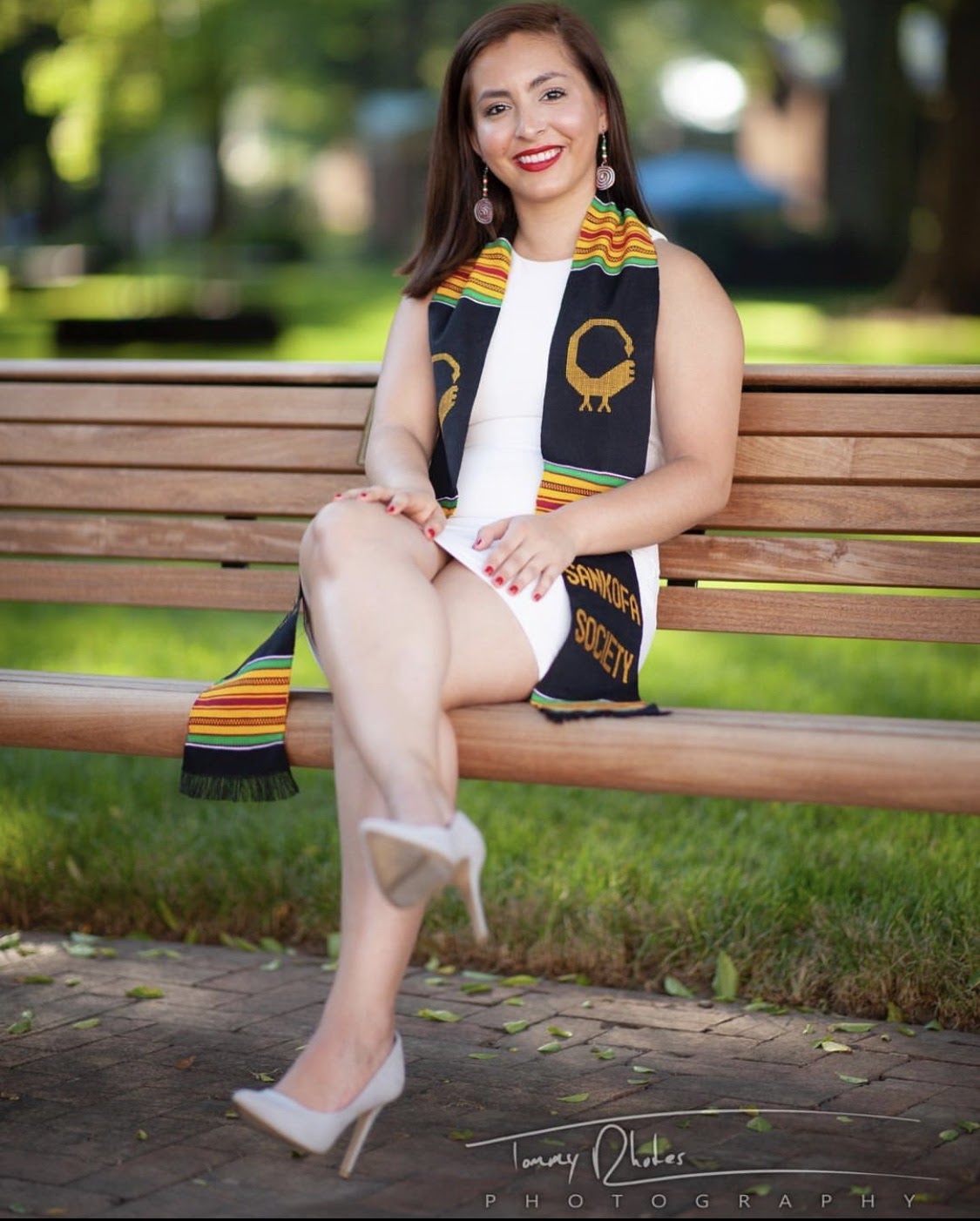
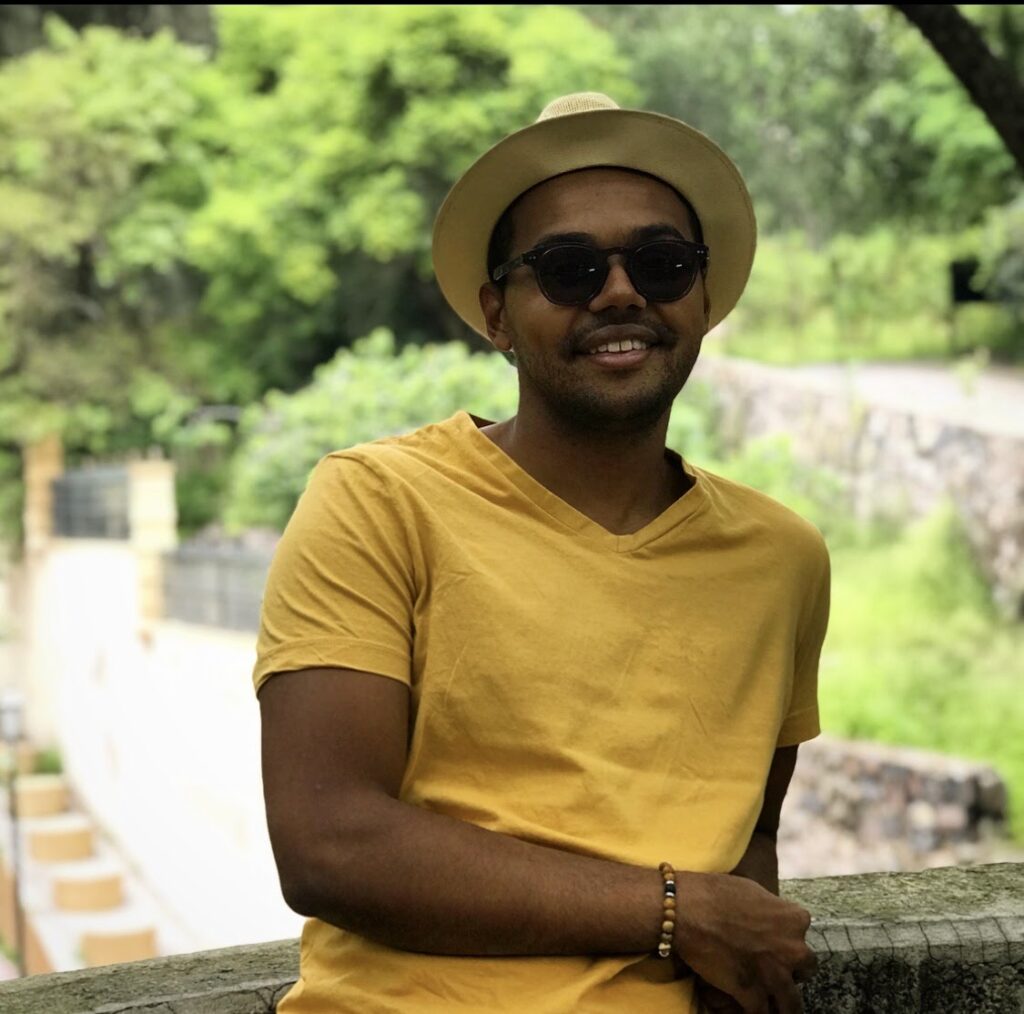
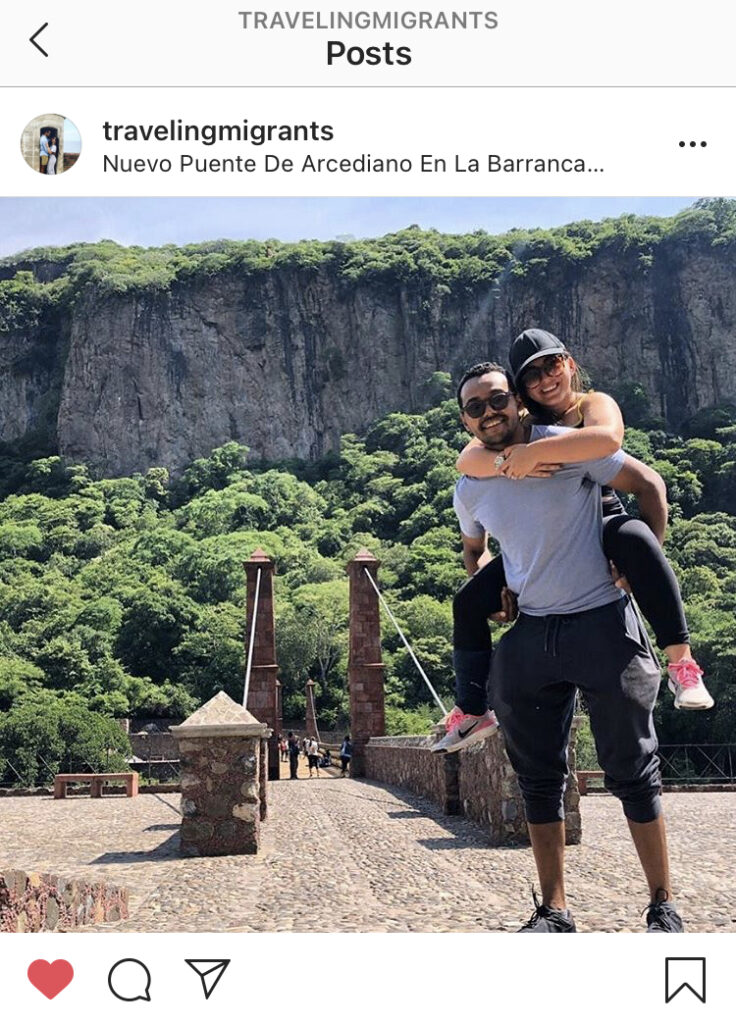
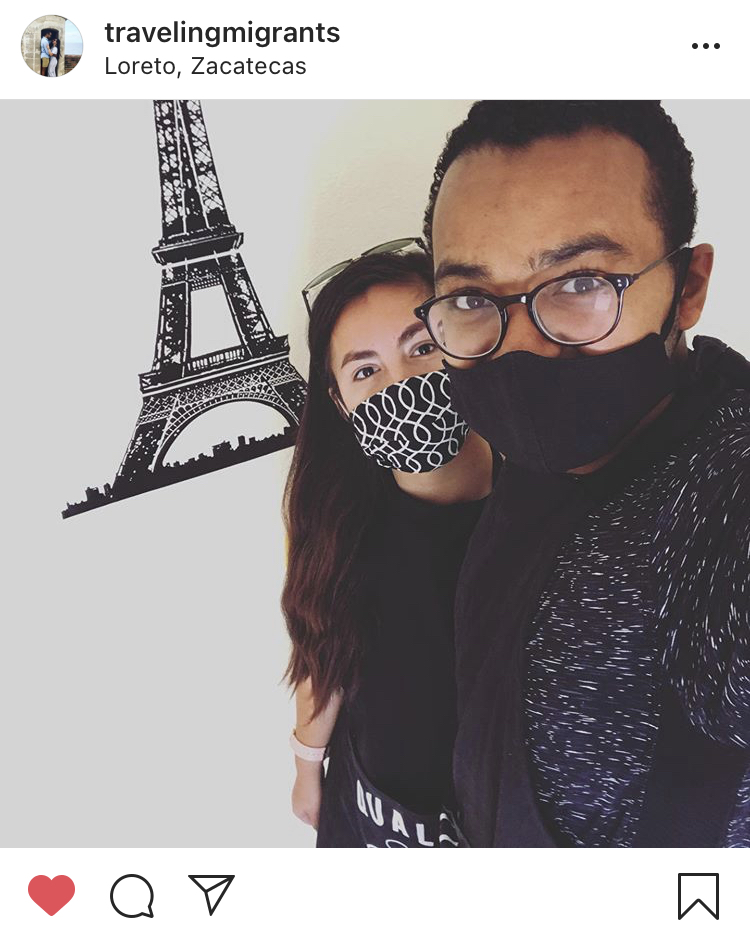
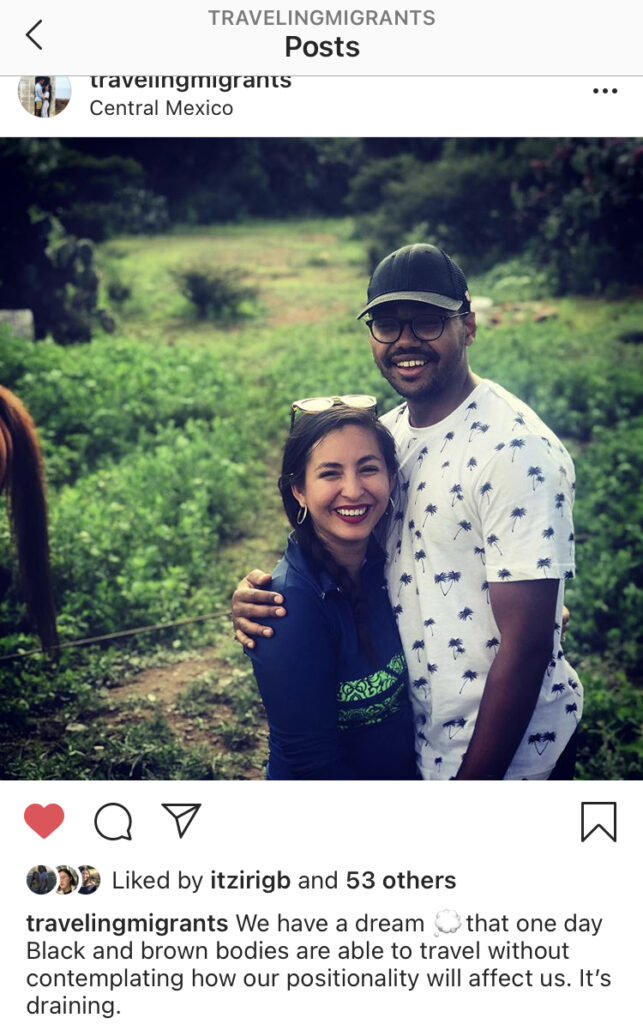
In this episode, DMP founder Dr. Amanda R. Martinez interviews Itziri Gonzalez-Barcenas, Davidson alum from North Carolina & Mexico, and her partner Brice Rosette, a Martinican-Parisian, about the complicated, often tension-filled decisions fueled by restrictive migration policies and personal desire to experience the world beyond border limitations to pursue academic, personal, and professional goals. Itziri and Brice started the Traveling Migrants Instagram page to share their experiences and lend insight to their followers about how borders and policy can often present limited opportunities and also how they resist the negative impact of these challenges by finding joy and beauty as they navigate spaces. They discuss their identity shifts, both self-reflectively and other-imposed, and the microaggressions they experience as they move among transnational spaces as young people of color from different racial, ethnic, and cultural groups. Interrogating topics like anti-blackness among white and people of color, whether and how to address microaggressors as a worthwhile educational corrective, and what we all must do for ourselves and our communities to keep these conversations going openly –especially with those closest to us, like family members– Itziri and Brice offer ideas about how we can all act from any positionality.

https://open.spotify.com/episode/0pjMixlDCamNuY3BPIU2hM?si=jncYI_9nQuOkHXt8d7moqA

Itziri Gonzalez-Barcenas

Itziri (pronounced It’s-Siri) Gonzalez-Barcenas was born in Aguascalientes, Mexico. The illusion of the “American Dream” tangled with their low prospects for a good life in rural Central Mexico caused her family to risk everything and cross the U.S.-MX border. They lacked stability and went back and forth crossing that border until they finally stayed in the U.S. when she was five. She grew up confused and undocumented. In 2012, she obtained DACA and gained hope for something permanent. Her experiences have largely shaped her passion: human rights work, specifically regarding immigration, education, and women’s rights. She is a bilingual, avid learner, listener and lover of people, food, and new places. 

She graduated from Davidson College (‘19) where she studied Political Science and Africana Studies. As a low-income, first-generation college student, she struggled A LOT but had a wonderful support system that helped her get back on her feet every time. She took what she learned during her four years in undergrad and shared it with high schoolers in her role as an AmeriCorp College Advisor in rural North Carolina. After the accumulation of coronavirus, the 2020 election, expiring immigration statuses and more, she decided to embark on the journey of a lifetime: recrossing the border into Mexico as a young adult. She is now taking a much needed gap year to reconnect with her roots, start personal projects and explore the notion of “home.” Next fall, she will travel to Europe for the first time to begin her Master’s in Human Rights and Humanitarian Action with a concentration in Migration and an Advanced Certification in Gender Studies at Sciences Po Paris.

Itziri’s Recommended Resources:

Literature

  • Adichie, C. N. (2014). We should all be feminists. New York: Anchor Books. 
  • Baldwin, J. (1998). The discovery of what it means to be an American. In T. Morrison. (Ed.), Collected essays (pp. 137-142). New York: Penguin Random House Inc.
  • Mills, Charles W. (1997). The racial contract. New York: Cornell University Press. 
  • Hernández, Daisy. (2014). A Cup of Water Under my Bed: A Memoir. Boston: Beacon Press. 
  • Vargas, José Antonio. (2018). Dear America: Notes of an undocumented citizen. New York: Dey Street Books.

Media

https://www.defineamerican.com/hollywood/change-the-narrative-change-the-world-launch
https://youtu.be/V1kkdBjASfc

The Self-ish Latina Podcast 

NPR’s Latino USA Podcast

Social Media – Instagram

  • @wearemulticultural 
  • @latinarebels
  • @undocublack 
  • @conmijente 
  • @culturestrike 
  • @soyouwanttotalkabout
  • @gorditaapplebum
  • @informedimmigrant

Brice Rosette

Introspective. Trilingual. Former sales consultant. 

His experiences as a Martinican born and raised in Paris have shaped his passions for sociology, communication, tech and travel. Growing up, hearing his dad’s stories about working abroad made him wonder if he could do the same. A decade later Brice’s dream came true.  He pursued a Master’s in Business Management at EM Strasbourg and completed  his final year abroad at Howard University in D.C, which allowed him to grapple with the importance and complexity of diversity and inclusion within the business space. After three years in the United States, he realized that leaving home to start a new life in a foreign place is possibly one of the hardest and riskiest things anyone can do. Most importantly, he discovered immigration as an invaluable experience to reflect on one’s identity and life mission. Taking a gap year in Mexico, he decided to work on a personal project  – My Access Abroad – to help underrepresented communities explore the world and find purpose by providing needed resources.

Brice’s Recommended Resources:


Follow Itziri & Brice on Instagram @travelingmigrants

DMP Podcast, Episode 4: Charged Political Rhetoric, Border Logics, & Framing “Others”: A Conversation with Prof. Rebecca Avalos

DMP Podcast: Episode 4

In this episode, DMP collaborator Juan Diaz-Mercado interviews Loyola Marymount University lecturer and University of Colorado at Boulder doctoral candidate, Prof. Rebecca Avalos about her research on Trump’s “Make America Great Again” racial project, with a focus specifically on Latinx communities, racial logics, nationalism, migration, and borders. Avalos describes how historical racial scripts aggravate laws and how Latinx subjects shift within these power matrices as embodiments of illegalities. Avalos argues that brown bodies often represent the latest trend of capitalism and tokenism as power shapes knowledge. She elaborates upon how politics and racialized rhetoric can dar animo to create the conditions under which rights can be stripped away from Others as a reaction to the browning of the U.S. to attempt to preserve white futurity and centrality. Prof. Avalos discusses why context, relationships, and power dynamics matter in the practice of calling out to call in others when confronting micro/aggressions.

https://open.spotify.com/episode/6XYPIQ9L01KG7nGbT0sCZt?si=e61yhAMKRiOab3cMLRp7kA
https://anchor.fm/dmp-podcast

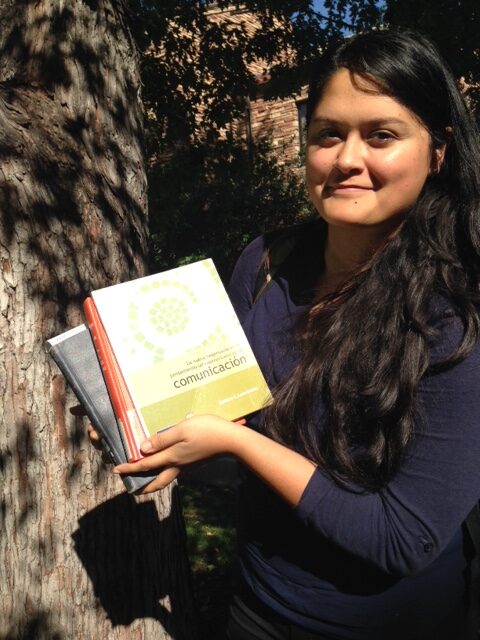
Prof. Rebecca Avalos

Rebecca Avalos is a Full Lecturer, scholar and activist in the Department of Communication Studies at Loyola Marymount University, Los Angeles where she teaches on the intersection of rhetoric and culture. Focusing on the meeting point of critical legal studies, racial formation, Latinx studies, white supremacy and presidential rhetoric, Rebecca is currently completing her Ph.D. at the University of Colorado Boulder in rhetoric and culture. Before her four years of residence at the University of Colorado Boulder, Rebecca received her M.A. in Communication Studies with a focus on social movement rhetorical theory from CSUF and holds a B.A. in Communication Studies and a B.A. in Chicana/o, Latina/o Studies from CSULB. Raised in Los Angeles, California, Rebecca shares a deep and unwavering commitment to the pursuit of justice. Her latest publication is a chapter in the Latina/o/x Communication Studies: Theory, Method, and Practice anthology entitled, “Towards a Borderland Oratory: Within, Against, and Beyond Con Carácter, Ánimo, Y Grito” (October 2019). Currently for her primary thread of research, this coming year, Rebecca is focusing on the completion of her doctoral dissertation titled, “Matters of the Law in and Beyond Donald J. Trump’s “Make America Great Again” Racial Project.

Prof. Avalos asserts that it is vital to note, as Kendi (2019) argues in How to Be an AntiRacist, ‘microaggression’ is not the true capture of what occurs in those fleeing and so personal moments of un/concious interaction. Ultimately, these small aggressions are instantiations of abuse. We are talking about abuse in every meaning and unfolding of that word. If we take on this perspective, extend our view as such, we arrive to a place of feeling and truly seeing what so many institutions acquiesce to and allow.

Prof. Avalos has curated a specific literature list on microaggressions that she has personally read, assigned, and found foundational to the topical study and experiential prevalence of microaggressions:

  • Balsam, K. F., Molina, Y., Beadnell, B., Simoni, J., & Walters, K.
    (2011). Measuring multiple minority stress: the LGBT People of Color
    Microaggressions Scale. Cultural Diversity and Ethnic Minority Psychology, 17(2), 163.
  • Huber, L. P., Lopez, C. B., Malagon, M. C., Velez, V., & Solorzano, D.
    G. (2008). Getting beyond the ‘symptom,’acknowledging the ‘disease’: Theorizing racist nativism. Contemporary Justice Review, 11(1), 39-51.
  • McCabe, J. (2009). Racial and gender microaggressions on a
    predominantly-White campus: Experiences of Black, Latina/o and White undergraduates. Race, Gender & Class, 133-151.
  • Nadal, K. L., Rivera, D. P., Corpus, J. H., & Sue, D. W. (2010). Sexual
    orientation and transgender microaggressions. Microaggressions and
    marginality: Manifestation, dynamics, and impact
    , 217-240.
  • Pérez Huber, L., & Solorzano, D. G. (2015). Racial microaggressions as a
    tool for critical race research. Race Ethnicity and Education, 18(3),
    297-320.
  • Pérez Huber, L., & Solórzano, D. G. (2015). Racial microaggressions:
    What they are, what they are not, and why they matter. Latino Policy
    and Issues Brief
    , 30, 1-4.
  • Rendon, L. I. (1994). Validating culturally diverse students: Toward a new model of learning and student development. Innovative higher education, 19(1), 33-51.
  • Smith, W. A., Yosso, T. J., & Solórzano, D. G. (2011). Challenging
    racial battle fatigue on historically White campuses: A critical race
    examination of race-related stress. In Covert racism (pp. 211-237). Brill.
  • Solórzano, D. G. (1998). Critical race theory, race and gender
    microaggressions, and the experience of Chicana and Chicano scholars. International journal of qualitative studies in education, 11(1), 121-136.
  • Sólorzano, D. G., Villalpando, O., & Oseguera, L. (2005). Educational
    inequities and Latina/o undergraduate students in the United States: A critical race analysis of their educational progress. Journal of Hispanic
    Higher Education
    , 4(3), 272-294.
  • Solórzano, D. G., & Villalpando, O. (1998). Critical race theory,
    marginality, and the experience of students of color in higher education. Sociology of education: Emerging perspectives, 21, 211-222.
  • Smith, W. A., Yosso, T. J., & Solórzano, D. G. (2007). Racial primes and
    Black misandry on historically White campuses: Toward critical race
    accountability in educational administration. Educational
    Administration Quarterly
    , 43(5), 559-585.
  • Solorzano, D. G. (1992). An exploratory analysis of the effects of race,
    class, and gender on student and parent mobility aspirations. The
    Journal of Negro Education
    , 61(1), 30-44.
  • Solorzano, D., Ceja, M., & Yosso, T. (2000). Critical race theory,
    racial microaggressions, and campus racial climate: The experiences of African American college students. Journal of Negro education, 60-73.
  • Solorzano, D. G., & Yosso, T. J. (2000). Maintaining social justice
    hopes within academic realities: A Freirean approach to critical race/LatCrit pedagogy. Denv. UL Rev., 78, 595.
  • Solorzano, D. G., & Yosso, T. J. (2001). From racial stereotyping and
    deficit discourse toward a critical race theory in teacher education. Multicultural education, 9(1), 2.
  • Sue, D. W., Bucceri, J., Lin, A. I., Nadal, K. L., & Torino, G. C.
    (2007). Racial microaggressions and the Asian American experience. Cultural diversity and ethnic minority psychology, 13(1), 72.
  • Valencia, R. R., & Solórzano, D. G. (1997). Contemporary deficit
    thinking. The evolution of deficit thinking: Educational thought and
    practice
    , 160-210.
  • Wong, G., Derthick, A. O., David, E. J. R., Saw, A., & Okazaki, S.
    (2014). The what, the why, and the how: A review of racial microaggressions research in psychology. Race and social problems, 6(2), 181-200.
  • Yosso*, T. J. (2005). Whose culture has capital? A critical race theory
    discussion of community cultural wealth. Race ethnicity and education, 8(1), 69-91.
  • Yosso, T. J., & Burciaga, R. (2016). Reclaiming our histories, recovering community cultural wealth. Center for Critical Race Studies at UCLA Research Brief, 5.
  • Yosso, T., Smith, W., Ceja, M., & Solórzano, D. (2009). Critical race
    theory, racial microaggressions, and campus racial climate for Latina/o
    undergraduates. Harvard Educational Review, 79(4), 659-691.
  • Yosso, T. J., & Solórzano, D. G. (2006). Leaks in the Chicana and
    Chicano Educational Pipeline. Latino Policy & Issues Brief. Number
    13. UCLA Chicano Studies Research Center (NJ1).

DMP Podcast, Episode 3: Race, Rhetoric, & Religion: A Conversation with Dr. Andre E. Johnson about Black Lives Matter & All Lives Matter

DMP Podcast, Episode 3

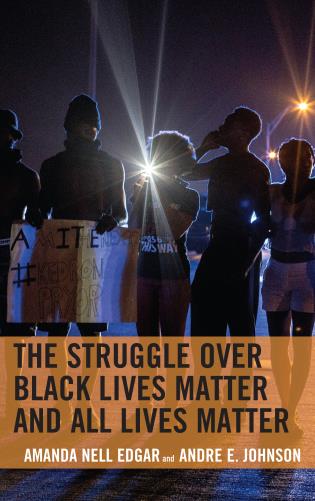
In this episode, DMP collaborator Jaelyn Taylor interviews University of Memphis Communication Studies professor Dr. Andre E. Johnson about his work on race, rhetoric, and religion. Dr. Johnson describes how he found his scholarly path and why he self-proclaims a “bootleg scholar” identity, as it speaks plainly to the common experiences with microaggressions in academia that minority faculty in particular face. Dr. Johnson discusses highlights from the recent second edition (July 2020) publication of his co-authored (with Amanda Nell Edgar) book, The Struggle Over Black Lives Matter and All Lives Matter, in the backdrop of ongoing social justice struggles and racial unrest across the nation. Lastly, Dr. Johnson offers strategies to confront microaggressions. Check out his bio below and embedded links to his scholarly work for further self-education.

https://open.spotify.com/episode/4MnUltZ1POu1OVmm3RqpNf?si=ykNBHRFxS_GYnq9OdZUL2A

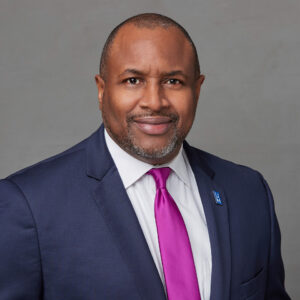
Andre E. Johnson, Ph.D. is an Associate Professor of Rhetoric and Media Studies in the Department of Communication and Film at the University of Memphis. He teaches classes in African American Public Address, Rhetoric Race and Religion, Media Studies, Interracial Communication, Rhetoric, and Popular Culture, and Hip Hop Studies. He is currently collecting and editing the works of AME Church Bishop Henry McNeal Turner under the title The Literary Archive of Henry McNeal Turner (Edwin Mellen Press). He has already published the first six volumes, and the seventh one is set for publication in 2021. Additionally, along with his academic titles, he currently serves as Senior Pastor of Gifts of Life Ministries an inner-city church built upon the servant leadership philosophy in Memphis, Tennessee.
Dr. Johnson was born and raised in Memphis, Tennessee and after graduation; he attended the University of Tennessee at Martin where he received his Bachelor of Science degree in Communication. He graduated from Memphis Theological Seminary where he took the Masters of Divinity degree and completed the Doctor of Philosophy degree in Communication at the University of Memphis. Dr. Johnson’s dissertation, The Prophetic Oratory of Henry McNeal Turner, was under the direction of Michael C. Leff (2008).

In addition to collecting the writings of Bishop Turner, Dr. Johnson is the author of the forthcoming book No Future in this Country: The Prophetic Pessimism of Bishop Henry McNeal Turner which the University Press of Mississippi plans to release in 2020. He is the co-author (with Amanda Nell Edgar) of The Struggle Over Black Lives Matter and All Lives Matter (2018) that won the National Communication Association (NCA) 2019 African American Communication and Culture Division Outstanding Book Award.

The 2nd edition of the book was published in July 2020 and is part of the Race, Rhetoric, & Religion series with Lexington Books.

He is also the author of The Forgotten Prophet: Bishop Henry McNeal Turner and the African American Prophetic Tradition (2012) that won the National Communication Association (NCA) 2013 African American Communication and Culture Division Outstanding Book Award and the editor of Urban God Talk: Constructing a Hip Hop Spirituality (2013). He also serves as the founder and managing editor of the Rhetoric Race and Religion blog hosted on the Patheos family of blogs. He is also the curator and director of the Henry McNeal Turner Project (#HMTProject); a digital archive dedicated to the writings and study of Bishop Turner.

Dr. Johnson has presented academic papers at national, regional, and state conferences winning awards at each level, has published essays in the journal Religions, Howard Journal of Communications, Southern Communication Journal, Black Theology Journal, The New York Times, Journal of Contemporary Rhetoric and the Journal of Religion and Communication. He holds membership in several national, regional, and state associations in the areas of Communication, History, African American Studies, and Religious Studies.

In addition to what many consider groundbreaking work on Bishop Turner, Dr. Johnson maintains an eclectic research agenda. Ongoing research projects explore the nexus between rhetoric, theology, and the Bible, religion and politics, the rhetoric of President Barack Obama, religion, and media, the prophetic rhetoric of W.E.B. Du Bois, Donald Trump, and more recently, the rhetoric of Tyler Perry.

DMP Podcast, Episode 2: Feminism, Gender, & Sexuality Microaggressions: A Conversation with Drs. Horowitz & González

DMP Podcast, Episode 2

In this episode, DMP collaborators Michi and Julia interview Davidson College Gender & Sexuality Studies professors Dr. Katie Horowitz and Dr. Melissa González about gender, sexuality, identity, pronouns, and microaggressions. They reflect upon their educational and professional paths including pivotal moments that have inspired their research and teaching agendas. Drs. González and Horowitz discuss how Davidson College’s LGBTQ+ community climate has evolved and shifted in their time as members of the college community. They offer strategies to confront microaggressions both as a microaggressee and microaggressor. These experts also elaborate upon the importance of gender pronouns and how to approach the topic in the classroom. Check out our guests’ bios below and their resource recommendations for further self-education.

https://open.spotify.com/episode/24UZX197Cb9ql1Nrru8D4a?si=nLNBloBLRnGUstoxGysGKg
Dr. Katie Horowitz

Dr. Katie Horowitz is a queer femme cis white woman, a single mom, a prison abolitionist, an occasional memestress, and an Assistant Professor of Gender & Sexuality Studies and Writing at Davidson. She received her PhD and MA in Rhetoric from the University of California, Berkeley and her BA in Dance and French Studies from Wesleyan University. Her research has appeared or is forthcoming in Signs, Porn Studies, CrossCurrents, and The SAGE Encyclopedia of Trans Studies. Her first book, Drag, Interperformance, and the Trouble with Queerness (Routledge, 2020), uses a comparative ethnography of drag kings and queens as a lens through which to examine political and cultural rifts within queer theory and activism. She is currently working on a collaborative study of gender-based abuse between university faculty and a second monograph, Love Under Capitalism, which uncovers an emerging rhetorical trend by which the US state uses romantic and familial love to justify a host of subtle violences against queer and trans folks, disabled folks, the working classes, indigenous people, and people of color. Katie’s teaching focuses on queer and trans theory and activism in a transnational US context. Outside of the classroom, she is also working on a project with Dean Sarah Buchanan to implement restorative justice approaches to student conduct, teaching, and community-building at Davidson.

Dr. Melissa González

Dr. Melissa M. González (she/her) is Associate Professor of Hispanic Studies, Core Faculty in Latin American Studies, and Chair of Gender and Sexuality Studies at Davidson College. Her research spans trans and queer studies of twentieth-century and contemporary Latin American and US Latinx literature and culture. At present, she is completing an MA in Computational Media at Duke University as a Mellon New Directions Fellow and developing a multilingual digital resource for the work of intersectional Latinx sexual dissidence in the hemisphere. In her research, she uses rhetorical analysis, qualitative methods, and feminist theoretical frameworks to study the marginalized knowledges produced by minoritarian, dissident sexual cultures in contemporary South and North America. She works to understand and publicize how these cultures prefigure intersectional liberation, in the context of inclusions and exclusions that operate transnationally. For example, the inclusion of predominantly white or criollo, upper-middle class, and fashionable gay men within the imagined communities of the large metropolises of South and North America is represented as an advancement of human rights; however, this new inclusion excludes and silences those queer subjects less assimilated into a bourgeois lifestyle, including those who are trans, gender-transgressive, black, indigenous, immigrant, and/or poor. Her scholarship and commentary have been published in American Quarterly, Critique: Studies in Contemporary Fiction, GLQ: A Journal of Gay and Lesbian Studies, Latin American Cultural Studies, and Transgender Studies Quarterly.

Recommended resources collated

by Drs. Horowitz & González:

Individuals and organizations to follow on Twitter:

Tourmaline (@tourmaliiine), Alok Vaid Menon (@alokvmenon),  Che Gossett (@autotheoryqueen), Caleb Luna (@chairbreaker_), Indya Moore (@IndyaMoore), Raquel Willis (@raquel_willis), Ericka Hart (@iHartEricka), Grace Lavery (@graceelavery), Florence Ashley (@ButNotTheCity), Kai Green (@Kai_MG), Jacob Tobia (@jacobtobia), Janet Mock (@janetmock), Charlotte Uprising (@cltuprising), Sylvia Rivera Law Project (@SRLP), Miss Major Griffin-Gracy (@immissmajor), Kai Cheng Thom (@razorfemme), Dean Spade (@deanspade), Trans Student Educational Resources (@transstudent), Trans People of Color Coalition (@TransPOCC), Marsha P. Johnson Institute (@MPJInstitute)

For more on pronouns and how cis folks can avoid transphobic microaggressions:

International Pronouns Day website: https://pronounsday.org/

My Pronouns: Resources on Personal Pronouns: https://www.mypronouns.org/

Jen Manion, “The Performance of Transgender Inclusion” https://publicseminar.org/essays/the-performance-of-transgender-inclusion/

Dean Spade, “We Still Need Pronoun Go-Rounds” http://www.deanspade.net/2018/12/01/we-still-need-pronoun-go-rounds/?fbclid=IwAR1H_KsX1fLzvNZOLNvNnfTi43BibWyhv_7PWRyB0t7qA7aKpD149RVTgsQ

Jacob Hale, “Suggested Rules for Non-Transsexuals Writing about Transsexuals, Transsexuality, Transsexualism, or Trans___” https://sandystone.com/hale.rules.html

For a broad range of historical, popular, and scholarly work on trans topics:

Digital Transgender Archive: https://www.digitaltransgenderarchive.net/

Non-Binary and Genderqueer Academic Resources: https://docs.google.com/spreadsheets/d/1btffcjQ-l0nDngYrMCiDSEdi-lQal1kDRnYlKPdV-i8/edit#gid=0

https://anchor.fm/dmp-podcast/episodes/Feminism–Gender—Sexuality-Microaggressions-A-Conversation-with-Drs–Horowitz–Gonzlez-el4qla

DMP Podcast, Episode 0: Why a Podcast?

In this brief introduction episode, we Davidson Microaggressions Project collaborators introduce ourselves and discuss how the podcast came to be. Manifested during the peak of the COVID-19 global pandemic and in the midst of a socio-politically charged country climate, particularly during spring and summer of 2020, we explain the inspiration and motivation for the podcast content, lessons learned along the way about our approach, and hopes for the future as the podcast evolves. Our first full episode drops later this week. We’re excited about this initiative and we hope you all enjoy tuning in!

Follow us on social media:

https://open.spotify.com/show/2wSwAYK1N84VOJo6nG6MZN

Episode 0, Published October 6, 2020

DMP Podcast, Episode 1: Racism, Academic Institutions, & Microaggressions: A Conversation with Drs. Bowles & Cho

DMP Podcast, Episode 1

In this episode, DMP collaborators Michi and Juan interview Davidson College Anthropology professors Dr. Laurian Bowles and Dr. Helen Cho about systemic racism, its manifestation in academic institutional contexts, and microaggressions. They reflect upon their educational and professional paths and discuss their experiences as students and professors, and offer their perspectives about how Davidson College has changed in light of diversity, inclusion, and equity in their time as members of the college community. Drs. Bowles and Cho offer strategies to process and deal with microaggressions both as a microaggressee and microaggressor. Check out our guests’ detailed bios below and their resource recommendations to benefit us all in the spirit of further self-education. 

https://open.spotify.com/episode/3h90Ij7q0rxoyXm60FBv7A?si=TZ_s11cXQiW2XlG2iiRDpw

Dr. Laurian Bowles

Laurian Bowles, Ph.D.

I am a cultural anthropologist who researches, writes, and teaches about social mobility, sensory politics, and the visual economies of women’s labor in Africa and the Diaspora. As a critically engaged scholar with 20 years of fieldwork in Ghana, I attend to the way women’s activism takes shape through quotidian forms of mobilization and refusals in public and intimate spaces. I am especially interested in the haptic nature of photographs, the circulation of pictures as material artifacts, and the way blackness, class politics, and queerness are formed through visual storytelling.

A born and bred Philly jawn & Girls’ High girl (link girls’ high https://girlshs.philasd.org/), my love of stories is shaped by my non-academic work as a queer youth counselor in rural Pennsylvania, a West Philly bartender, and A&R intern for a record label in London. I earned Bachelor’s degrees in both African American Studies and Journalism at Penn State University, an MA in Anthropology of Media from SOAS, University of London and a Ph.D. in Anthropology from Temple University, where my dissertation used photo-diaries to examine the gendered politics of women’s labor at marketplaces in Accra, Ghana. 

I am currently an Associate Professor and Chair of Anthropology at Davidson College and an affiliated faculty member in the Africana Studies and Gender and Sexuality Studies departments. I am also the Program and Resident Director of the Davidson in Ghana (link: https://ghana.davidson.edu/) study abroad program.

Dr. Bowles’ recommendations to continue the educational journey:

Books:

  • Yee, Jessica. 2011. Feminism for real: deconstructing the academic industrial complex of feminism. Canadian Centre for Policy Alternatives
  • Howard Zinn, A People’s History of the United States
  • John L Jackson, Racial Paranoia: The Unintended Consequences of Political Correctness, Basic Civitas, 2008
  • John L Jackson, Impolite Conversations: On Race, Class, Sex, Religion, and Politics, co-written with Cora Daniels, Atria Books

Articles:

  • Bailey, Moya, and Trudy. “On misogynoir: citation, erasure, and plagiarism.” Feminist Media Studies 18, no. 4 (2018): 762-768.
  • Bailey, Moya. “Misogynoir in Medical Media: On Caster Semenya and R. Kelly.” Catalyst: Feminism, theory, technoscience 2, no. 2 (2016).

Movies:

  • Higher Learning (1995)
  • Dear White People (2014)
  • American History X (1998)
  • Queen Sugar (2016)
  • Cider House Rules (1999)

TV Shows:

  • Little Fires Everywhere (2020)
  • Hollywood (Netflix show) (2020)

Helen Cho, Ph.D.

Dr. Helen Cho

My academic training and interest is human osteology, specifically its applications in forensic anthropology, clinical research, and bioarchaeology. Investigation of contemporary and archaeological skeletal populations from different time periods and geographical locales entails the understanding of biological variation from evolutionary and ecological perspectives. That is, human populations have biological diversity because of evolutionary forces, past and present migrations, the physical environment, and so much more and the human skeleton is no exception. My graduate training and research largely looked like standard STEM, with microscopes, fume hoods, and labs and some anthropological questions. My perpetual restlessness and love of travel complemented the need for bone samples from diverse populations from Imperial Rome to contemporary Mexico to 18th century Korea to a Tennessee morgue.

It wasn’t until I started teaching at Davidson in 2002 that my anthropological framework matured. Through the process of designing various biological anthropology courses and learning from a handful of Davidson colleagues, I came to center race in my osteology research, teaching, and professional responsibilities. I read about and witnessed the 20th and 21st century renditions of racist science in my discipline. And for a decade or so I went through the unpleasant and emotionally exhausting cognitive dissonance regarding my identity. Having moved from country to country every three years from birth until college and attending schools that looked like mini-United Nations, my identity was an international, third culture, female student with a Korean passport. Throughout the twelve years of undergraduate and graduate school in the Midwest I still classified myself as an international student with an F1 visa. North Carolina and Davidson College thrust upon me the Asian race, minority status, and racism. I birthed twin girls who are biracial and not white-passing and I begrudgingly gave up my Korean passport for an American one. Fast forward to 2020, I’m thankful for the cognitive dissonance and the numerous opportunities in academia and my professional organizations to direct others’ attention to race and racism. The topics of race and racism are ever-present in my personal and professional spheres, in the classroom and while doing osteology research, on campus and at conferences, at the dinner table and reading an article.

Dr. Cho’s recommendations to continue the educational journey:

Podcasts:

  • Code Switch
  • 1619
  • Scene on Radio

Videos:

Books:

  • White Fragility by DiAngelo
  • The Mismeasure of Man by Gould

Websites:


css.php